
Developer Offshore guide
Test password-reset races with an offshore developer
A field guide for identity teams maintaining account recovery: define the decision, reproduce the awkward case, and leave evidence another working window can verify.
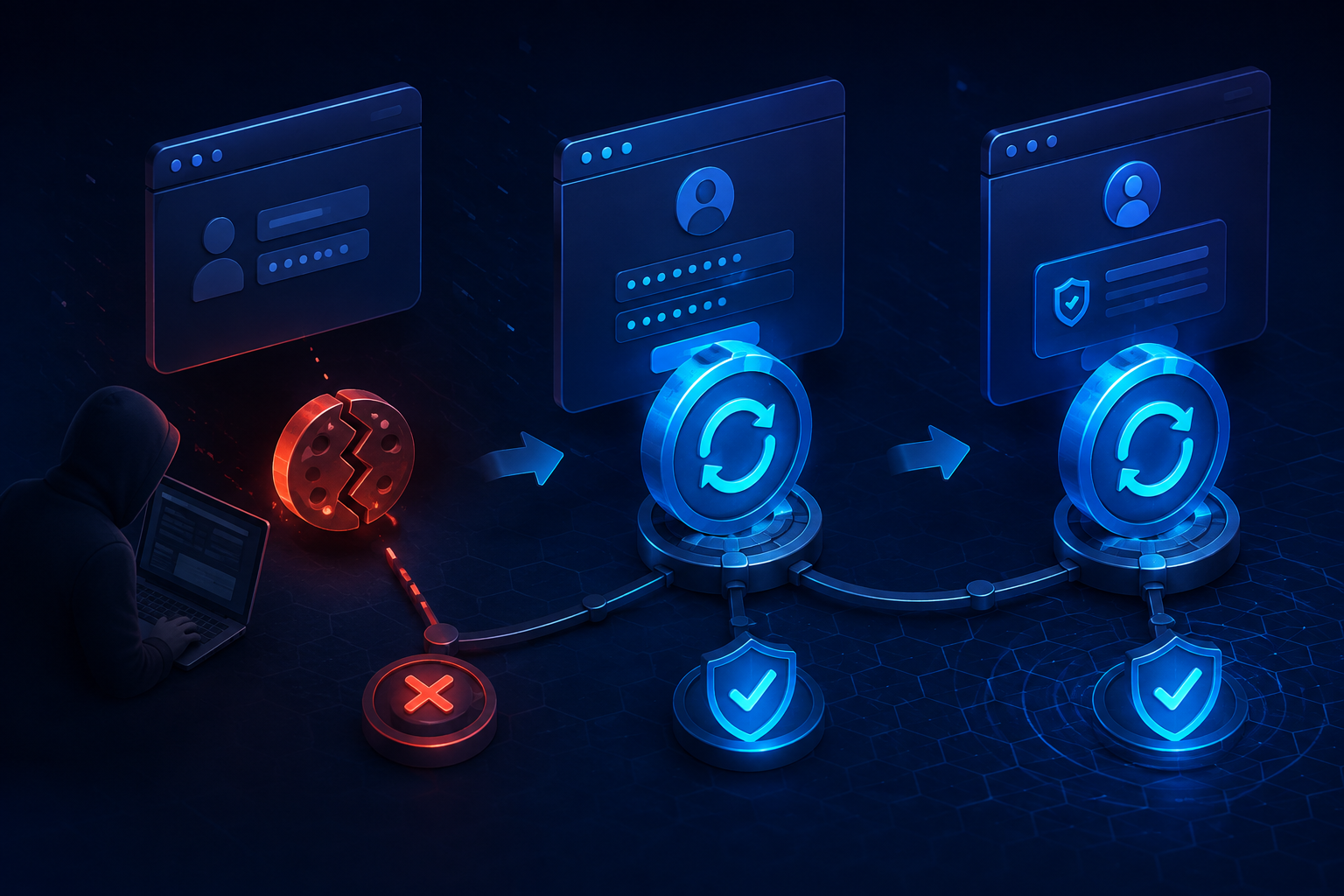
Published September 4, 2026
Test password-reset races with an offshore developer
- Decide which reset request remains valid when a user asks twice.
- Preserve synthetic accounts, token hashes, controlled clocks, and session invalidation records.
- Keep production acceptance with the accountable internal owner.
Begin with the decision, not the ticket
This assignment is for identity teams maintaining account recovery. Write down which reset request remains valid when a user asks twice before anyone changes code. Fix the repository revision, safe environment, reviewer, and stop condition. That gives a Philippines-based developer room to investigate without quietly inheriting product or production authority.
Trace the state that matters
Follow the user action through every relevant boundary. Collect synthetic accounts, token hashes, controlled clocks, and session invalidation records; note where identity, time, retries, permissions, or persistence change the result. Keep observations separate from assumptions so the next reviewer can challenge the explanation.
Review record
Scroll sideways to read every column on a small screen.
| Gate | Evidence | Decision owner |
|---|---|---|
| Scope | which reset request remains valid when a user asks twice | Product or system owner |
| Boundary case | two reset links are redeemed nearly simultaneously | Developer and reviewer |
| Release | Regression result and rollback | Internal release owner |
Build a small but adversarial fixture set
Use synthetic normal, invalid, repeated, interrupted, and recovery cases. The case most likely to expose a false sense of safety is two reset links are redeemed nearly simultaneously. Change one condition at a time and record expected and observed behavior with the exact revision.
Make the correction reversible
Prefer the narrowest change that explains the failure and adds a regression check. Confirm cleanup, monitoring, and rollback. A passing unit test is useful, but it cannot stand in for a boundary the test never exercised.
Keep approval boundaries visible
The offshore developer may reproduce, implement, test, and document this lane. Internal owners retain protected data access, architecture exceptions, irreversible operations, incident communication, and release acceptance. Escalate rather than improvising when the evidence crosses those boundaries.
Close with a handoff someone can replay
Record starting and ending revisions, fixtures, commands, passed and skipped checks, screenshots or logs, limitations, rollback notes, reviewer, and next authorized action. For this topic, explicitly state what the evidence proves about which reset request remains valid when a user asks twice and what remains untested.
Questions about assessing Philippine developers
What can the offshore developer own?
Reproduction, a bounded implementation, focused verification, and a replayable handoff.
What stays internal?
Sensitive access, exceptions, irreversible actions, production approval, and accepted residual risk.
Sources
International Labour Organization guidance on remote work arrangements reinforces why remote role briefs should document expectations, communication rhythms, and accountable handoffs.